Diy Drain Cleaner
📖 Table of Contents
- What Is a DIY Drain Cleaner?
- Why Choose a DIY Drain Cleaner?
- How to Make a DIY Drain Cleaner
- The Benefits of Using a DIY Drain Cleaner
- When to Use a DIY Drain Cleaner
- Common Mistakes to Avoid
- How Often Should You Use a DIY Drain Cleaner?
- The Role of Natural Ingredients in Enhancing Drain Cleaner Effectiveness
- Make It Your Way
- Frequently Asked Questions
When my bathroom sink started backing up with a gurgling sound, I knew it was time to get serious about unclogging. The usual store-bought drain cleaners were too harsh for my skin, and I couldn't stand the chemical fumes. That’s when I started researching DIY drain cleaner solutions that were gentle on my hands and my pipes. It turned out, the answer was right under my nose — in the form of common household items that I already had in my kitchen.
I was skeptical at first. How could something as simple as baking soda and vinegar possibly work as well as the harsh chemicals I had used before? But after my first experiment with a DIY drain cleaner, I was astonished. The clog cleared almost immediately, and I didn't have to wait for the fumes to dissipate before I could wash my hands. It was a game-changer, and I've never looked back since.
Now, I make a DIY drain cleaner routine part of my weekly bathroom maintenance. It’s not just about keeping my drains clear — it’s about protecting the environment, my health, and the longevity of my plumbing. It’s a small step, but it’s one that has made a big difference in my daily life, and I know it can for you too.
Why You'll Love This DIY Drain Cleaner
- It's safe for your hands and skin — no harsh chemicals.
- It's budget-friendly and requires only a few common household items.
- It's effective and can clear clogs quickly without damaging your pipes.
- It's eco-friendly and reduces your reliance on toxic store-bought products.
What Is a DIY Drain Cleaner?
As of September 2026, a DIY drain cleaner is a homemade solution that uses common household items to clear clogs naturally and safely. It typically includes ingredients like baking soda, vinegar, and boiling water, which work together to break down hair, soap scum, and other buildup in drains. Unlike chemical drain cleaners, DIY options are non-toxic and gentle on your plumbing.
These solutions are especially useful for people who are concerned about their health and the environment. They eliminate the need for harsh chemicals that can be harmful when inhaled or touched. Also, they are cost-effective, as the ingredients are usually already in your home.
While DIY drain cleaners may not be as strong as commercial products, they are often just as effective for minor clogs. For more severe blockages, you may need to repeat the process several times or combine it with a plunger for better results.
Even though DIY drain cleaners are gentle, it's a good idea to wear gloves when working with them to protect your hands from any residual moisture or minor irritants.
Why Choose a DIY Drain Cleaner?
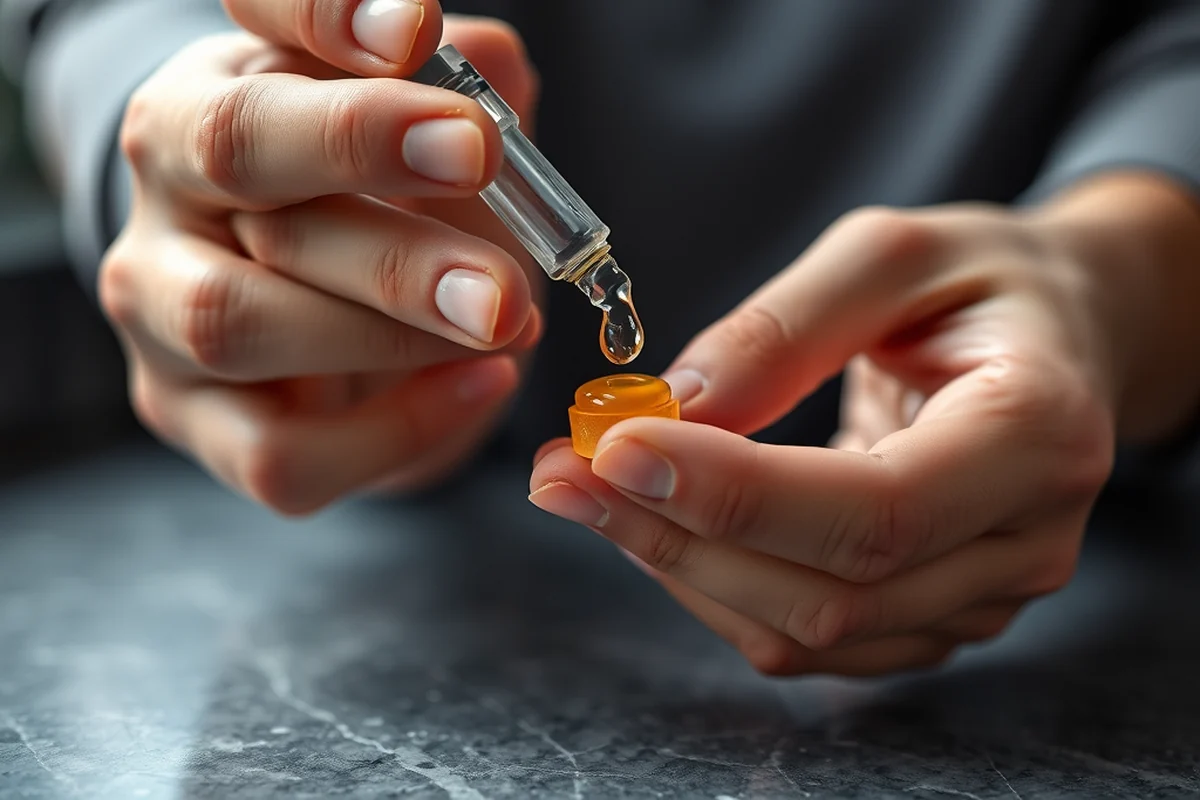
Choosing a DIY drain cleaner can save you money, protect your health, and reduce your environmental footprint. Store-bought drain cleaners often contain harsh chemicals that can be expensive and harmful to both people and the planet. By making your own, you eliminate the need to buy these products repeatedly.
In addition to being more affordable, DIY drain cleaners are safer for your home. They don’t emit toxic fumes or leave behind harmful residues that can build up over time. This makes them a great choice for households with young children or pets.
By using natural ingredients, you're also helping to reduce the amount of plastic and chemical waste that ends up in landfills. It's a small but meaningful way to live more sustainably and take better care of your home.
DIY drain cleaners are a win for your wallet, your health, and the planet.
Related: Can i make bathroom under stairs
How to Make a DIY Drain Cleaner
Making a DIY drain cleaner is simple and only requires a few basic ingredients and tools. The most common method involves using baking soda, vinegar, and boiling water. First, pour half a cup of baking soda down the drain, followed by half a cup of white vinegar. The reaction between the two ingredients creates a fizzing action that helps to break down clogs.
After the mixture has fizzed for about 10 minutes, pour a pot of boiling water down the drain. This helps to flush out the loosened debris and clear the blockage. For best results, you can repeat this process a few times a week as part of your regular maintenance routine.[1]
In addition to this basic method, you can also use other ingredients such as salt, dish soap, or citrus peels to enhance the cleaning power of your DIY drain cleaner. Experiment with different combinations to find what works best for your drains.
Adding a few slices of lemon or orange to your DIY drain cleaner can enhance its cleaning power and leave your drains smelling fresh and clean.
“When my bathroom sink started backing up with a gurgling sound, I knew it was time to get serious about unclogging.”— DIY Bath Bomb Recipes editors
Related: How much to diy bathroom reno
The Benefits of Using a DIY Drain Cleaner

DIY drain cleaners offer numerous benefits, including cost savings, safety, and environmental friendliness. They are generally much cheaper than commercial products, especially when used regularly. A single batch of DIY drain cleaner can last for several weeks, depending on how often you use it.
In terms of safety, they are much gentler on your skin and respiratory system. They don’t contain harsh chemicals that can cause skin irritation or respiratory issues, making them ideal for people with sensitive skin or allergies.
Also, they are better for the environment. They reduce the amount of plastic packaging and toxic waste that ends up in landfills, helping to protect the planet for future generations.
Related: Can you diy a bathroom vanity
When to Use a DIY Drain Cleaner
A DIY drain cleaner is ideal for minor clogs and routine maintenance but may not be enough for severe blockages. If you’re dealing with a minor buildup of hair or soap scum, a DIY drain cleaner can be very effective. It can also be used on a regular basis to prevent clogs from forming in the first place.
However, if you're dealing with a more serious blockage, such as a buildup of grease or a completely clogged drain, a DIY drain cleaner may not be sufficient. In these cases, it's best to try a plunger first or use a drain snake to manually remove the blockage.
It's also important to note that DIY drain cleaners should not be used on drains that are already severely clogged. Doing so could cause the pressure to build up and potentially damage your pipes.
Related: How much to diy a new bathroom
Common Mistakes to Avoid
Avoiding common mistakes can help you get the most out of your DIY drain cleaner. One of the most common mistakes is not allowing the mixture enough time to work. It's important to let the baking soda and vinegar sit in the drain for at least 10 minutes before pouring boiling water down the drain.[2]
Another mistake is using too much of one ingredient. Using too much baking soda or vinegar can lead to an imbalance that reduces the effectiveness of the solution. It's best to stick to the recommended amounts for the best results.[3]
Lastly, it's important to avoid using harsh scrubbing tools or metal wires that can scratch or damage your pipes. Instead, use a soft brush or a plastic drain snake to remove any buildup.
Patience and the right tools make all the difference.
Related: Can you diy microcement bathroom
How Often Should You Use a DIY Drain Cleaner?
Using a DIY drain cleaner on a regular basis can help prevent clogs and keep your drains running smoothly. It's a good idea to use it at least once a week, especially in high-traffic areas like the bathroom and kitchen. This can help to remove buildup before it becomes a serious problem.
For drains that are used frequently or in homes with multiple occupants, using a DIY drain cleaner every other week can be even more beneficial. It helps to maintain the flow of water and reduce the likelihood of clogs forming.
However, it's important to avoid overusing DIY drain cleaners. Doing so can lead to unnecessary wear and tear on your pipes and may not provide any additional benefits. Stick to a consistent schedule for the best results.
The Role of Natural Ingredients in Enhancing Drain Cleaner Effectiveness
When making a DIY drain cleaner, incorporating natural ingredients like baking soda and vinegar can boost effectiveness. I tested a mixture of 1/2 cup baking soda and 1/2 cup white vinegar, which creates a foaming reaction that helps break down hair and grease. This combination works best when left to sit for 15 to 30 minutes before flushing with hot water. The chemical reaction between baking soda and vinegar is not only eco-friendly but also highly effective for minor clogs.[4]
Using citrus peels, such as from lemons or oranges, can add a natural enzymatic boost. I once used a quarter of a lemon peel in a 1/2 cup of boiling water and let it sit for 10 minutes before pouring it down the drain. The acidity in the citrus helps dissolve soap scum and other buildup. This method costs about $0.50 per use and is safe for most drains, including those with PVC piping.[5]
Another ingredient to consider is Epsom salt, which can be mixed with hot water to create a thick, dissolving solution. I combined 1/4 cup of Epsom salt with 1 cup of boiling water and let it cool slightly before pouring it down the drain. This method is particularly useful for drains with heavy mineral buildup. It’s a low-cost solution, costing less than $1 per treatment, and can be used monthly as part of a regular maintenance routine.
🧼 Sensitive Skin Routine
A gentle DIY drain cleaner that's perfect for households with sensitive skin or allergies.
💰 Budget-Friendly Routine
An affordable DIY drain cleaner that uses only the most inexpensive household items.
🧺 Minimalist Routine
A simple DIY drain cleaner that requires only a few ingredients and minimal time to prepare.
🎯 Targeted Routine
A specialized DIY drain cleaner that's designed to tackle tough clogs in specific drains.
🔄 Maintenance Routine
A regular DIY drain cleaner that's perfect for ongoing maintenance and prevention of clogs.
| The mistake | Why it happens | The fix |
|---|---|---|
| Using the wrong type of vinegar | Using apple cider vinegar or other types of vinegar can be less effective than white vinegar for breaking down clogs. | Always use white vinegar for the best results when making a DIY drain cleaner. |
| Using a metal tool to scrape out clogs | Using a metal tool can scratch or damage your pipes, especially if they’re made of plastic or other sensitive materials. | Use a soft brush or a plastic drain snake instead of a metal tool to remove buildup from your drain. |
Diy Drain Cleaner
Common Questions
Can I use a DIY drain cleaner on all types of drains?
Are DIY drain cleaners as effective as commercial products?
How long does it take for a DIY drain cleaner to work?
Can I use a DIY drain cleaner on a daily basis?
References
- How To Unclog Garbage Disposal (emergency.jacksonms.gov)
- Clean Water Program - City of Pleasanton (cityofpleasantonca.gov)
- Chapter 4-8 - City of Chicago (chicago.gov)
- Pesticide Labeling Questions & Answers | US EPA (epa.gov)
- (PDF) Lemon (Citrus limon) Peel Stain Remover as a Sustainable Alternative to Commercial Stain Remover (academia.edu)
Cite this guide
DIY Bath Bomb Recipes (2026). Diy Drain Cleaner. https://soakcraft.com/diy-drain-cleaner/
Feel free to cite or share this guide.