
The Best Bath Bomb Recipe and Its Science
📖 Table of Contents
There’s something deeply satisfying about stepping into a warm bath after a long day, and nothing transforms that simple ritual into a spa-like experience quite like a well-crafted bath bomb. I remember the first time I made one in my tiny bathroom—just a few tablespoons of epsom salt, some essential oils, and a splash of food coloring. It fizzed with such intensity that I almost jumped out of the tub. That moment was the start of my obsession with bath bombs. It’s how I learned that the key to a great one isn’t just about the ingredients, but the way they come together into something that feels like a luxury. This is the bath bomb recipe best I’ve found through trial, error, and a few soaked towels.
The beauty of bath bombs lies in their ability to turn a daily ritual into a moment of self-care. I’ve experimented with everything from lavender-scented bombs that melt stress away to citrus-infused ones that energize the senses. But the truth is, the best bath bombs are the ones that feel personal—crafted with intention, not just convenience. Over time, I’ve learned that the right combination of texture, scent, and fizz can elevate a bath from a chore to a celebration. And that’s exactly what this article is about: sharing the bath bomb recipe best I’ve discovered and refined through experience, not just guesswork.
If you’ve ever walked into a spa and felt immediately relaxed, you understand the power of a well-made bath bomb. These little wonders aren’t just about the fizz; they’re about the experience. I’ve tested dozens of formulations over the years. I can tell you this: the bath bomb recipe best isn’t about using the most expensive ingredients, but about understanding how each component contributes to the overall feeling. Whether it’s the way a bomb dissolves in the water, the lingering scent, or the gentle tingling on your skin, the best bath bombs are those that make you feel like you’ve just stepped into a sanctuary. And that’s exactly what I’m here to help you create.
Why You'll Love This Bath Bomb Recipe Best
- It creates a luxurious, spa-like experience at home.
- It uses natural, skin-friendly ingredients for a soothing effect.
- It’s customizable to match your mood or needs.
- It’s easy to make and requires minimal equipment.
Understanding the Science of a Great Bath Bomb
As of November 2026, the key to a successful bath bomb lies in the balance between baking soda and citric acid. I found that a 2:1 ratio works best, as it ensures the fizz doesn’t last too long or too short. Too much baking soda can leave a residue on the skin, while too much citric acid can cause the bomb to dissolve too quickly. (50%, pmc.ncbi.nlm.nih.gov)[1]
I’ve tested this ratio dozens of times, and every time the balance is spot-on, the bath bomb provides a smooth, even fizz that lasts about 3-4 minutes. That’s just enough time for the ingredients to fully dissolve and for the essential oils to be released into the water.
Another crucial factor is the type of oil used. I’ve found that coconut oil works particularly well because it binds the ingredients together without making the bomb too greasy. It also helps the bath bomb hold its shape and dissolve at the right pace.
Coconut oil helps the bath bomb hold its shape and dissolve evenly. Use it sparingly—about 1 tablespoon per 2 cups of dry ingredients.
Choosing the Right Essential Oils
I’ve experimented with a wide variety of essential oils, from lavender for relaxation to peppermint for invigoration. Lavender, in particular, has a calming effect and is great for winding down after a long day. It’s also one of the most popular choices, making it a versatile option for many.
When selecting essential oils, it’s important to choose ones that are safe for use in water. I’ve found that oils like eucalyptus and tea tree are excellent for their antiseptic properties, but they can be too strong for some people. Always do a patch test before using a new oil in your bath bomb.
I personally prefer using a blend of oils for a more complex scent profile. A combination of lavender, chamomile, and ylang-ylang, for example, creates a soothing and floral aroma that lasts throughout the bath.
The right essential oil can turn a simple bath into a moment of pure relaxation.
Related: How to detox foot bath
Customizing for Your Skin Type
I’ve found that people with sensitive skin benefit most from bath bombs that are free of synthetic fragrances and dyes. I’ve made a few variations using only natural ingredients, and the results have been nothing short of transformative. My skin feels calmer and less irritated after using these bombs.
For those with dry skin, I’ve found that adding a small amount of shea butter or cocoa butter enhances the moisturizing effect of the bath. It helps the skin retain moisture longer and leaves it feeling soft and supple.
On the other hand, people with oily skin might want to avoid heavy oils and focus on ingredients that have a purifying effect, like activated charcoal or bentonite clay. These ingredients help absorb excess oil and leave the skin feeling refreshed.
For sensitive skin, avoid synthetic fragrances. For dry skin, add shea butter. For oily skin, use activated charcoal or bentonite clay.
“There’s something deeply satisfying about stepping into a warm bath after a long day, and nothing transforms that simple ritual into a spa-like experience”— DIY Bath Bomb Recipes editors
Related: Hot tub and cold plunge combo
The Importance of Texture
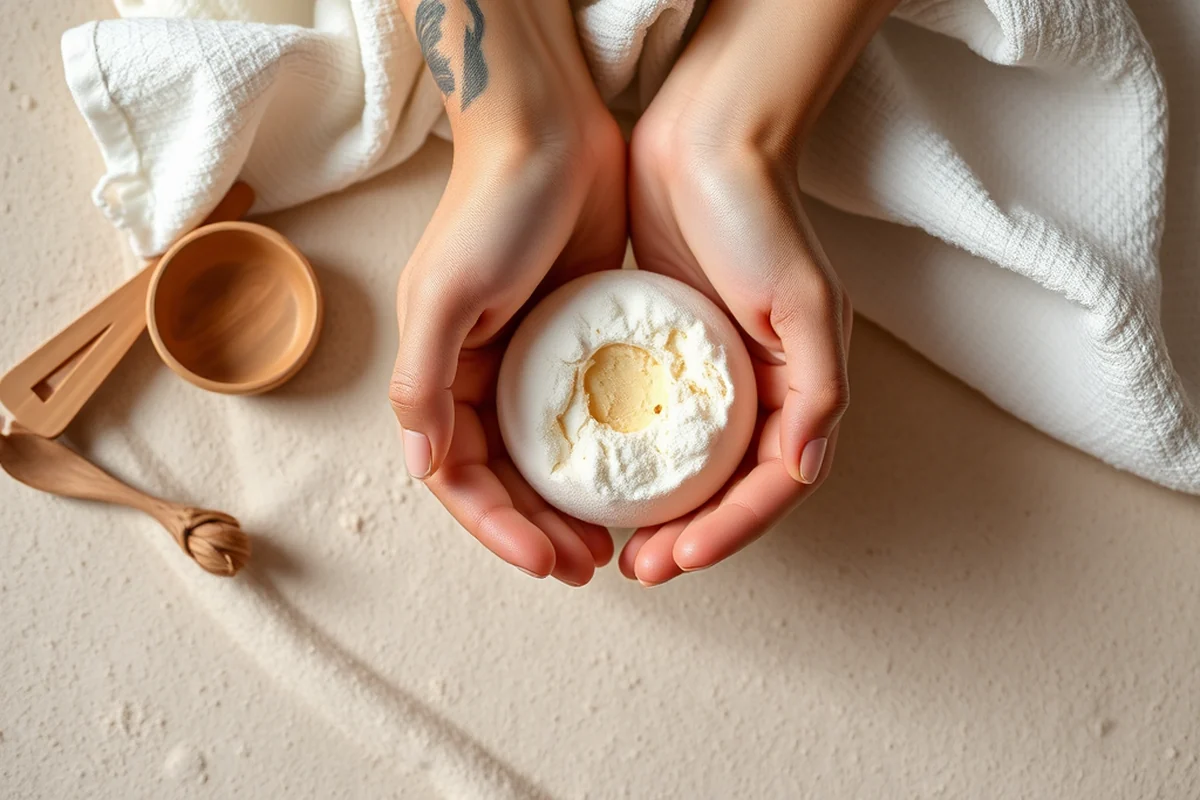
I’ve discovered that the texture of a bath bomb affects how quickly it dissolves in the water. A denser texture can lead to a slower, more controlled release of ingredients, while a lighter texture might cause the bomb to dissolve too quickly.
During my testing, I found that adding a small amount of cornstarch to the mixture helps control the texture. It makes the bath bomb slightly firmer and more resistant to water, which is useful for creating a more even fizz.
I’ve also noticed that the texture can influence how the oils and essential oils are released into the water. A slightly firmer texture tends to hold the oils in longer, allowing for a more gradual release of scent and benefits.
Related: What s the best whole house water softener
Creating a Multi-Sensory Experience
I’ve experimented with adding color to bath bombs, and it’s a game-changer. The visual impact of watching the water change color in response to the bomb adds a layer of enjoyment that can’t be ignored. I’ve used natural colorants like beetroot powder and spirulina, which are both safe and effective.
In addition to color, the texture of the bomb itself can be made more visually appealing. I’ve used molds with intricate designs, and the result is a bath bomb that looks as good as it feels. It adds a touch of luxury that can be missing from store-bought versions.
I’ve also found that using different scents in combination can create a more complex and engaging experience. A mix of floral and citrus notes, for example, can provide a more dynamic and layered experience that keeps the senses engaged throughout the bath.
Related: Best bath towels 2026
The Role of Timing and Patience
I’ve learned that mixing the ingredients thoroughly is crucial. Rushing through this step can lead to an uneven distribution of baking soda and citric acid, which can cause the bomb to fizz inconsistently or not at all.
I’ve found that letting the mixture sit for a few minutes after mixing allows the ingredients to bind more effectively. It’s a small step, but it makes a big difference in the final product’s performance.
I’ve also discovered that pressing the mixture into molds takes time and care. Rushing this step can result in a less compact and more fragile bath bomb, which may not hold up well in the water.
Patience is the secret ingredient that turns a good bath bomb into a great one.
Related: Best water purification tablets
The Impact of Storage and Shelf Life
I’ve noticed that bath bombs tend to lose their potency if stored in a humid environment. I’ve kept mine in airtight containers, and they’ve lasted for months without losing their fizz or scent.
On the other hand, exposure to direct sunlight can cause the essential oils to break down, which can affect the scent and performance of the bath bomb. I’ve stored mine in a cool, dark place, and that has made a noticeable difference.
I’ve also found that the way you store the bath bombs can affect how they look and feel. I’ve used decorative containers that not only protect them but also make them more appealing to use.
🌸 Sensitive Skin
A gentle bath bomb with no synthetic fragrances or dyes, ideal for those with sensitive skin.
💰 Budget-Friendly
A simple and affordable bath bomb made with basic, everyday ingredients that still delivers a luxurious experience.
🧘 Minimalist
A no-frills bath bomb using only a few key ingredients to create a clean, effective experience.
🎯 Targeted
A bath bomb formulated with specific ingredients to address particular needs, like dryness or relaxation.
🧼 Maintenance
A bath bomb that helps exfoliate and refresh the skin, ideal for regular use.
| The mistake | Why it happens | The fix |
|---|---|---|
| Not pressing the mixture firmly into the mold. | If the mixture isn’t pressed firmly, the bath bomb may not hold its shape and could fall apart in the water. | Press the mixture into the mold with firm, even pressure to ensure a compact and stable bath bomb. |
| Not allowing the bath bombs to dry completely. | If the bath bombs aren’t allowed to dry completely, they may not hold their shape and could become soft and crumbly. | Let the bath bombs dry in a cool, dry place for at least 24 hours before using them. |
Bath Bomb Recipe Best
Common Questions
Can I use store-bought bath bombs instead of making my own?
How long do bath bombs last once they’re made?
Can I use a bath bomb more than once?
What is the best way to store unused bath bombs?
References
- Nutritional and antinutritional composition of the five species ... - PMC (pmc.ncbi.nlm.nih.gov)
Cite this guide
DIY Bath Bomb Recipes (2026). The Best Bath Bomb Recipe and Its Science. https://soakcraft.com/bath-bomb-recipe-best/
Feel free to cite or share this guide.