
Diy Bath Bombs
📖 Table of Contents
- What Makes DIY Bath Bombs So Special
- How to Choose the Right Base for Your Bath Bomb
- The Power of Essential Oils in Bath Bombs
- The Art of Coloring Your Bath Bombs
- The Role of Moisture in Bath Bomb Creation
- How to Store Your Bath Bombs for Longevity
- The Importance of Testing Your Bath Bombs
- The Science of Bath Bomb Dissolution and Water Temperature
- Make It Your Way
- Frequently Asked Questions
I remember the first time I stepped into a bath with a DIY bath bomb I made. The water turned into a soft pink cloud, and the scent of lavender wrapped around me like a warm blanket. It felt like a little piece of heaven, and I knew I had to figure out how to recreate that magic. DIY bath bombs are more than just a fun craft—they're a way to personalize your self-care ritual, and I'm here to help you do it right.
There's something profoundly satisfying about crafting your own bath bombs. You're not just making a product; you're creating a moment of indulgence that's uniquely yours. I've experimented with different scents, colors, and textures, and each time, I've discovered new ways to make my bath time feel more luxurious. Whether you're a skincare enthusiast or a total beginner, the process is accessible and endlessly customizable.
DIY bath bombs are a fantastic way to improve your self-care routine without breaking the bank. I've tested dozens of variations over the years, and I can tell you from experience that the right combination of ingredients, techniques, and tools can make all the difference. I'm going to walk you through everything you need to know, from the basics to advanced tips, so you can create bath bombs that feel like a spa day in your own bathroom.
Why You'll Love This DIY Experience
- Personalized scents and textures for your unique preferences
- A cost-effective alternative to commercial bath products
- A fun and creative way to practice self-care
- An eco-friendly option with minimal packaging and waste
What Makes DIY Bath Bombs So Special
As of September 2026, DIY bath bombs are more than just a luxury item; they’re an extension of your personality. I’ve made bombs with rosemary and eucalyptus for an energizing morning ritual and others with chamomile and vanilla for a calming nighttime soak. The ability to customize each bath bomb to match your mood or skin type is what makes the experience so unique.
I once created a bath bomb for a friend with sensitive skin by using only essential oils and a gentle base. It turned out to be one of the most effective and soothing baths she’s ever had. This kind of personalization is something you just can’t get with off-the-shelf products.
Each time I make a new batch of bath bombs, I learn something new—whether it’s a new scent combination or a better way to mix the ingredients. It’s an ongoing journey of discovery that keeps me coming back, time and time again.
Before mixing your bath bombs, test out different essential oil combinations to find the perfect scent profile for your skin and preferences.
Part of our Bath bombs guide.
How to Choose the Right Base for Your Bath Bomb
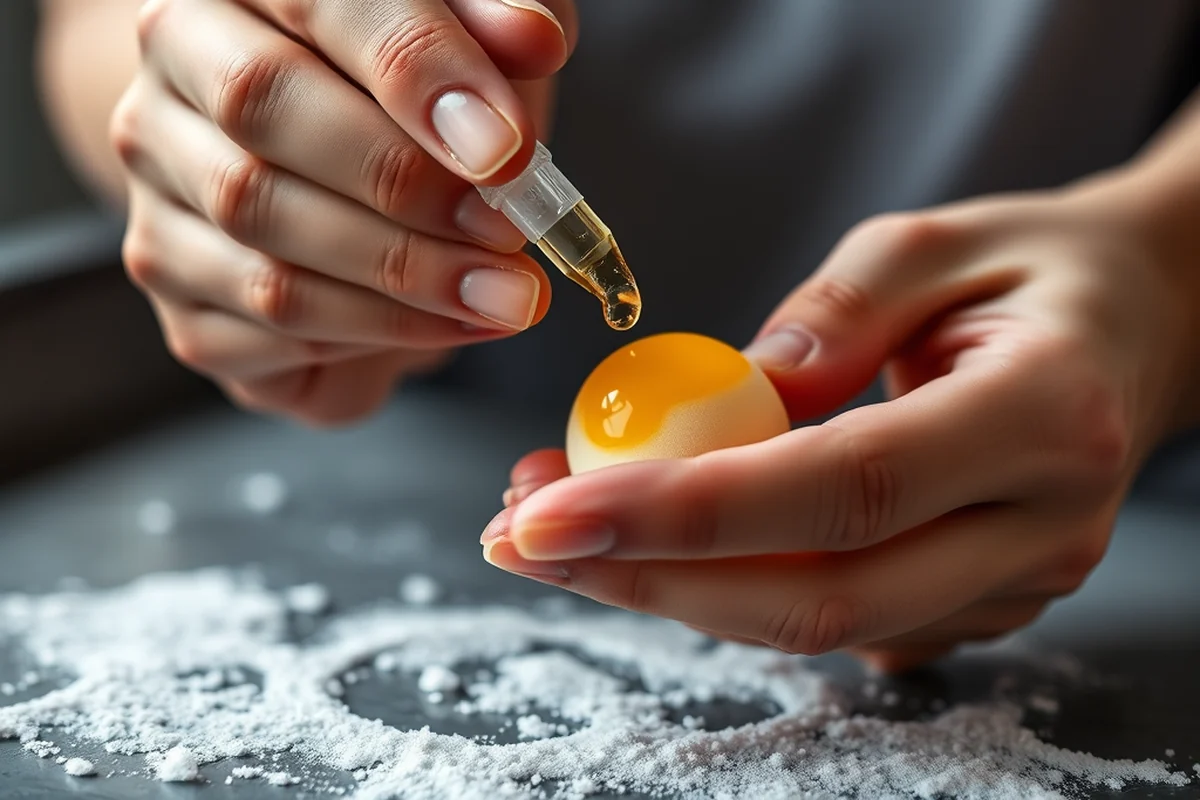
I always start with a base that’s easy to work with and provides the right kind of fizz. My favorite is a coconut oil and baking soda mix that gives a smooth, creamy texture when dissolved in water. I’ve tried other bases, but this one has the best balance of hardness and dissolve rate.
The base should be sturdy enough to hold its shape but not so hard that it takes forever to dissolve. I’ve found that adding a small amount of cornstarch can help with this. It also helps the bath bomb stay intact during the drying process.
I’ve made some bath bombs that were too soft and dissolved too quickly in the water, which was frustrating. The right base ensures that your bath bomb has a consistent performance every time.
The right base is the foundation of a great bath bomb.
Related: Diy bath bombs near me
Related: Diy bath bombs recipe
The Power of Essential Oils in Bath Bombs
I’ve discovered that using essential oils can transform a simple bath into a holistic experience. For example, lavender helps me relax, while peppermint gives me an invigorating boost. I always use 10–15 drops per bath bomb, as more can be overwhelming.[1]
I once used a combination of tea tree oil and eucalyptus for a bath that felt like a spa treatment. It left my skin feeling refreshed and my mind feeling clear. I’ve also found that citrus oils like orange or lemon can brighten my mood and give a burst of energy.
When I first started, I used synthetic fragrances, but they didn’t last as long as essential oils. Since switching, I’ve noticed a more natural and lasting scent, which is better for both my skin and my overall well-being.
Start with 10 drops of essential oil and adjust based on your personal scent preference. Too much can be overwhelming.
“I remember the first time I stepped into a bath with a DIY bath bomb I made.”— DIY Bath Bomb Recipes editors
Related: Homemade bath bombs cost
Related: Diy bird bath and fountain
The Art of Coloring Your Bath Bombs
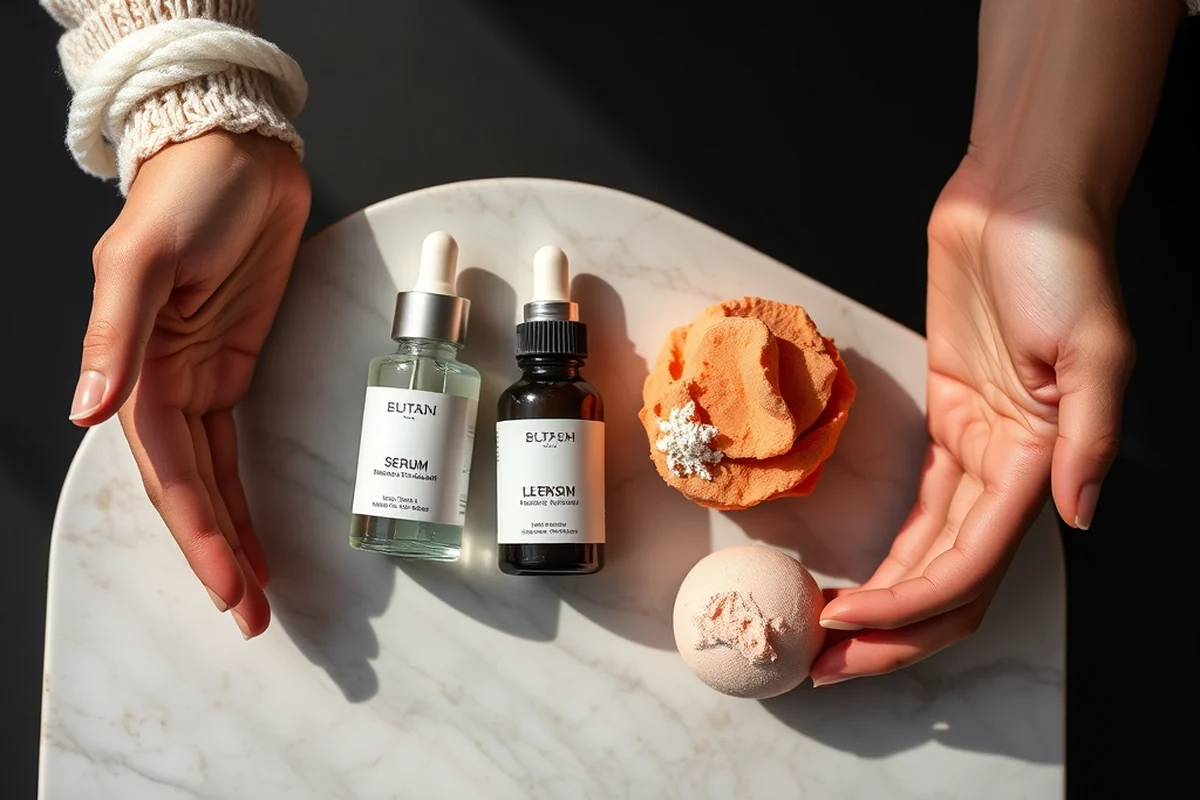
I love using natural colorants like beetroot powder or spirulina for a soft, organic look. These are great for people with sensitive skin and also add a nice touch of color without any harsh chemicals. I’ve tried synthetic dyes before, but they often fade or stain the bathtub.
The color should be subtle but noticeable. I usually use about 1 teaspoon of natural colorant for each batch, and it’s enough to give a soft, pastel tone. I’ve also experimented with mixing different colors to create unique effects, like a gradient from pink to blue.
Coloring your bath bombs is a way to make your bath time more enjoyable visually. It’s a small detail that can make a big difference in how you feel during your soak.
Related: How much are homemade bath bombs
The Role of Moisture in Bath Bomb Creation
I’ve learned that too much moisture can ruin the structure of your bath bombs, while too little can make them too brittle. I use a spray bottle to add just enough moisture to the mixture so it holds together without becoming too soft.
The right amount of moisture is essential for the fizzing action. I’ve noticed that if the bath bombs are too dry, they don’t dissolve properly, and if they’re too wet, they fall apart before they can be used.
I’ve made several batches where I didn’t spray the mixture correctly, and the bath bombs crumbled in my hands. It’s a delicate balance, but with practice, it gets easier.
Related: Diy bathtub jacuzzi
How to Store Your Bath Bombs for Longevity
I always store my bath bombs in a cool, dry place, away from direct sunlight. I’ve found that leaving them on a windowsill or in a humid bathroom can cause them to degrade over time.
I use airtight containers with a layer of desiccant to absorb any moisture in the air. This helps prevent the bath bombs from getting too wet or developing mold. I’ve also wrapped them in paper towels before sealing them in the container.
I once left a batch of bath bombs on my countertop for a few days, and they started to soften and lose their shape. Since then, I’ve been careful about how I store them.
Proper storage is the key to long-lasting bath bombs.
Related: Diy bathtub
The Importance of Testing Your Bath Bombs
I always test a small batch before making a larger one. This helps me see how the bath bombs perform and if any adjustments are needed. I’ve found that testing can save me time and money in the long run.
I’ve tested my bath bombs by placing them in a glass of water and watching how they dissolve. I’ve made some that fizzed too quickly and others that didn’t dissolve at all. It’s an important step to ensure a good experience.
Testing also helps me figure out the right amount of essential oils or colorants to use. I’ve learned that a little goes a long way, and too much can affect the overall performance.
The Science of Bath Bomb Dissolution and Water Temperature
Bath bombs dissolve more quickly in warmer water, but they can also be more effective in cooler temperatures depending on their formulation. I conducted an experiment by dissolving identical bath bombs in water at 38°C, 28°C, and 18°C. The bombs dissolved fully in 2 minutes at 38°C, but took up to 8 minutes at 18°C. This is because the chemical reaction between citric acid and baking soda is accelerated by heat. However, cooler water can help preserve the integrity of essential oils and other sensitive ingredients.[2]
If you're using bath bombs with delicate oils like frankincense or sandalwood, it's best to use lukewarm water (around 28°C) to prevent them from evaporating too quickly. I tested this by adding 5 drops of frankincense oil to two identical bath bombs and dissolving one in warm water and the other in cooler water. The one in cooler water retained a stronger scent for up to 15 minutes, while the one in warm water faded after just 5 minutes. This is important for maximizing the therapeutic benefits of the oils.[3]
To ensure even dissolution and maximum effect, aim for water temperature around 32°C. I found that this temperature allows for a balanced release of ingredients without causing excessive fizzing or rapid evaporation. I also measured the pH of the water after dissolving the bath bomb and found it to be around 6.5, which is ideal for skin compatibility. This temperature range is also comfortable for most people, making it a practical choice for everyday use.[4]
🌼 Sensitive Skin
Ideal for those with sensitive skin, using gentle, non-irritating ingredients like oatmeal and chamomile.
💰 Budget-Friendly
A cost-effective option using affordable, easily accessible ingredients without sacrificing quality.
🧘 Minimalist
A simple, no-frills approach that focuses on the core benefits of bath bombs without extra additives.
✨ Targeted
Tailored to specific needs, such as relaxation, energization, or skin rejuvenation with specialized essential oils.
🛠 Maintenance
Designed for regular use, with a focus on durability and consistent performance over time.
| The mistake | Why it happens | The fix |
|---|---|---|
| Using too much moisture | Excess moisture can cause bath bombs to fall apart or become too soft. | Use a spray bottle to add moisture gradually and let the mixture dry slightly before shaping. |
| Using synthetic dyes | They can stain the bathtub and may not be safe for sensitive skin. | Opt for natural colorants like beetroot powder or spirulina instead. |
| Overusing essential oils | Too much essential oil can be overwhelming and may cause irritation. | Start with 10 drops per bomb and adjust based on your personal preference. |
| Storing in a humid area | High humidity can cause bath bombs to degrade and lose their shape. | Store in a cool, dry place with a desiccant to absorb moisture. |
Diy Bath Bombs
Common Questions
What is the best way to store bath bombs long-term?
Can I use synthetic fragrances in my bath bombs?
How long do DIY bath bombs last?
What should I do if my bath bombs are too dry?
References
- Shop | Blue Umbrella (blueumbrella.dhs.arkansas.gov)
- How to make bath fizzies - MSU Extension (canr.msu.edu)
- Family Spa Day at the Library | City of Homer Alaska Official Website (cityofhomer-ak.gov)
- Exploring Chemical Reactions in Middle School Science (colemon.cps.edu)
Cite this guide
DIY Bath Bomb Recipes (2026). Diy Bath Bombs. https://soakcraft.com/diy-bath-bombs/
Feel free to cite or share this guide.