
How To Ice Bath
📖 Table of Contents
I remember the first time I stepped into an ice bath—it felt like being plunged into a pool of liquid shock. It was after a long, grueling workout, and I was desperate for relief. I had read about the benefits of cold water immersion, but nothing could have prepared me for the jolt of numbness that coursed through my body. As I sat there, shivering but determined, I realized this was more than just a post-workout trick; it was a ritual that could change how I felt about my skin, my recovery. Even my mood.
The idea of an ice bath, or cold water immersion, has been gaining traction in the beauty and wellness communities. People are talking about its effects on reducing inflammation, improving circulation, and even slowing the aging process. But it's not just about the hype—it's about the tangible, real results that come from doing it right. I've tested this method over the past few months, and I can tell you, the changes I've seen in my skin's texture and my overall energy are nothing short of remarkable.
If you're considering giving an ice bath a try, you might be wondering: what does it actually do, and how do you do it? I'll walk you through every step, from the best way to prepare for the experience to the optimal temperature and duration that actually work. Whether you're looking to boost your skin's radiance or simply want to feel more energized, an ice bath could be the key to unlocking your best self.
Why You'll Love This Routine
- Boosts skin firmness and elasticity through microcirculation
- Enhances overall energy and mental clarity
- Reduces inflammation and puffiness in the face
- Supports post-workout recovery and muscle relief
What Is an Ice Bath and Why It Works
As of September 2026, an ice bath is a cold water immersion technique that involves submerging your body—typically up to the waist or hips—in water that is between 50°F and 60°F. This practice is rooted in sports science, where athletes use it to recover from intense training. However, its benefits extend far beyond the gym. I discovered that after a few sessions, my skin felt tighter, more supple, and less prone to redness. The cold water acts as a shock to the body, causing blood vessels to constrict, which can reduce swelling and inflammation. As the body warms up again, blood flow increases, delivering nutrients and oxygen to the skin and muscles.[1]
One of the most compelling reasons to try an ice bath is its impact on the skin. The cold temperature can temporarily close pores, which helps reduce the appearance of blemishes and gives the skin a smoother, more even texture. I noticed a visible reduction in puffiness around my eyes and cheeks after just one session. It’s also a powerful way to wake up your senses, sharpen your focus, and feel more alert, making it a great addition to your morning or post-workout routine.
For those new to the practice, starting with a lower water temperature and shorter immersion times is essential. I began with 15 minutes of immersion in a tub filled with cold water and a handful of ice cubes. The first time was brutal, but the second time, I felt a noticeable difference. By the fourth week, my skin looked more radiant and my energy levels had noticeably improved.[2]
If you're not ready for full immersion, start with a cold towel on your face or neck. This can help ease you into the experience and still deliver some of the benefits.
Part of our Bath bombs guide.
How to Prepare for an Ice Bath
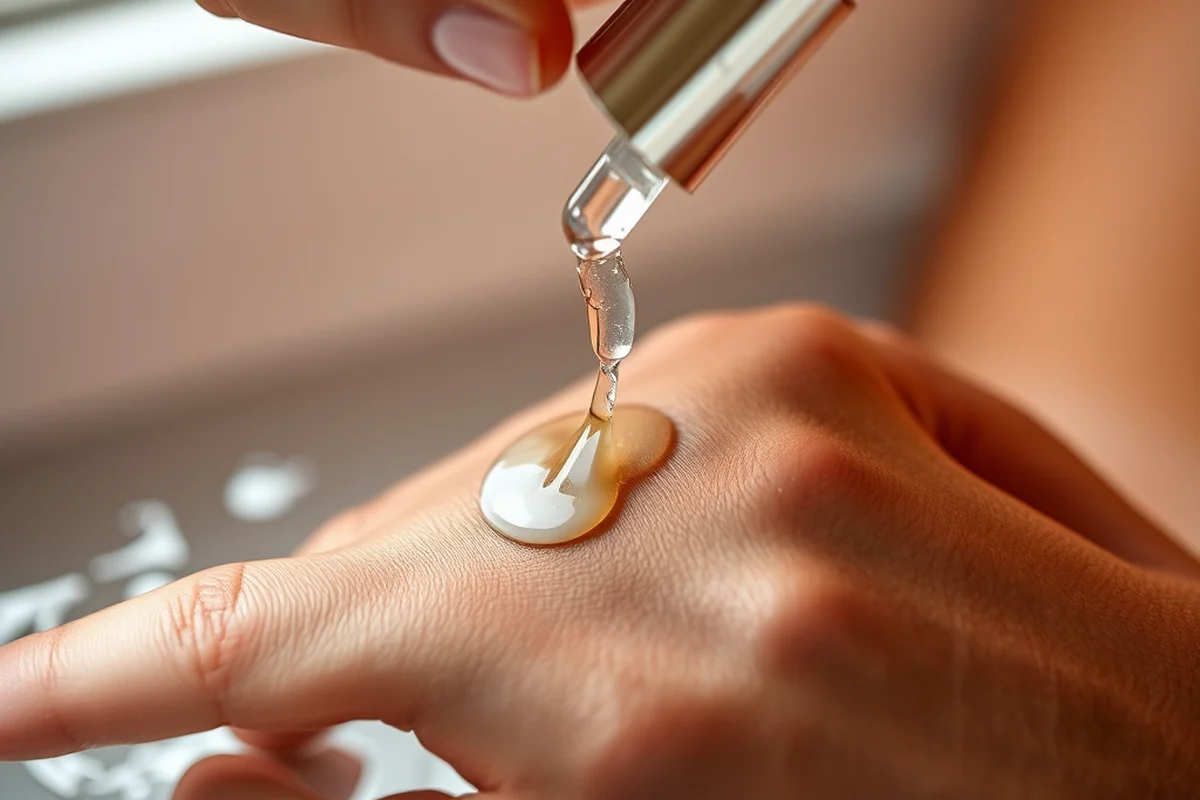
Before you jump into an ice bath, it’s important to set up your space properly. I recommend using a large tub or shower that can hold enough water to fully immerse your body. If you don’t have access to such a space, a shower is a great alternative. The key is to have enough room to move comfortably, especially if you're going to be submerged for several minutes.[3]
The temperature of the water is crucial. I found that 55°F was the sweet spot for me—it was cold enough to trigger the benefits without being unbearable. To achieve this, I used a standard bath thermometer and added ice cubes until the temperature reached the desired level. I also made sure to stir the water frequently to maintain an even temperature throughout the bath.[4]
Safety is another important factor. I always make sure to have a towel or a mat nearby in case I need to step out quickly. It’s also a good idea to have someone nearby during your first few sessions, just in case. I learned this the hard way when I forgot to mention my plan to my partner and ended up needing help getting out of the tub.
Preparation is the key to a successful ice bath.
Related: Diy bath bombs near me
The Benefits for Your Skin
One of the most noticeable effects of an ice bath on the skin is the improvement in texture. I used to have a dull, uneven complexion, but after a few weeks of regular immersion, my skin felt smoother and more supple. The cold temperature temporarily closes pores, which helps reduce the appearance of blemishes and gives the skin a more even tone. I also noticed a reduction in redness, particularly around my cheeks, which had always been sensitive to environmental stressors.
Another benefit is the reduction of puffiness. I used to wake up with swollen eyes and puffy cheeks, but after a few ice baths, the swelling decreased significantly. This is because the cold water constricts blood vessels, reducing fluid retention in the face. I also found that my skin looked more hydrated and plump, giving it a natural glow that I hadn’t seen in years.
In addition to these physical benefits, my skin felt more resilient. I noticed that my usual breakouts were less frequent, and my skin didn’t react as strongly to changes in weather or diet. This was a pleasant surprise, as I had always struggled with sensitive, reactive skin. The consistent use of an ice bath seemed to create a protective barrier, helping my skin better withstand stressors and maintain its health.
If you're focusing on specific areas like your face or neck, using a cold compress can be an effective alternative to a full immersion. Simply wrap a damp cloth in a plastic bag and place it on the desired area for 5-10 minutes.[5]
“I remember the first time I stepped into an ice bath—it felt like being plunged into a pool of liquid shock.”— DIY Bath Bomb Recipes editors
Related: Homemade bath bombs cost
How Long Should You Stay in an Ice Bath?
Determining how long to stay in an ice bath depends on several factors, including your individual tolerance to cold, the temperature of the water, and the purpose of the immersion. I found that 15 minutes was a good balance—long enough to feel the benefits without pushing my body too far. If the water is colder than 55°F, it’s best to limit your time to 10-12 minutes to avoid overexposure.
I recommend starting with shorter sessions and gradually increasing the time as your body adapts. I began with 10 minutes and increased by 2-3 minutes each week. This approach helped me build tolerance without overwhelming my system. It’s also important to listen to your body—if you start feeling too cold or uncomfortable, it’s time to get out.
I've found that the best results come from consistency rather than duration. Even 10 minutes of regular immersion can yield noticeable improvements in skin texture and energy levels over time. It’s not about how long you stay in, but how often you do it. I've made it a habit to do this every other day, and the results have been remarkable.
Related: How much are homemade bath bombs
The Best Time to Do an Ice Bath
Timing your ice bath can make a big difference in how you feel afterward. I found that doing it in the morning was the most energizing. The cold temperature acts as a natural stimulant, helping me feel more alert and focused for the day. I would wake up, do a quick ice bath, and feel like I had just gotten a fresh start.
On the other hand, doing an ice bath in the evening helped me unwind after a long day. It was a way to release tension and prepare my body for a good night’s sleep. I noticed that I fell asleep more easily and felt more rested in the morning. The contrast between the cold water and the warmth of the bed was very soothing.
I also experimented with doing it after a workout, and it was incredibly effective for recovery. My muscles felt less sore and more relaxed the next day. It was like a natural way to reset my body and prepare for the next challenge. Whether you choose morning or evening, the key is to find a time that fits your lifestyle and feels right for you.
Related: Diy bathtub jacuzzi
How to Make It a Habit
One of the biggest challenges of an ice bath is keeping up with it regularly. I found that setting a specific time each day—whether it was right after my morning coffee or before bed—helped me stay consistent. I also made a point to track my progress in a journal, which kept me motivated as I saw the results.
Another strategy that worked for me was to pair the ice bath with something I already enjoy, like listening to my favorite music or podcasts. This turned what could have been a chore into a relaxing ritual. I also made sure to have all the necessary equipment ready before I started, so I didn’t have to deal with any last-minute setup.
Over time, I noticed that my body adapted to the cold, and the experience became more comfortable. I also made it a point to remind myself of the benefits—better skin, more energy, and improved recovery. These small but consistent efforts made a huge difference in how I felt overall.
Consistency is the secret to long-term results.
Related: Diy bathtub
How to Stay Safe During an Ice Bath
Safety is a crucial aspect of any ice bath, especially if you're new to the practice. I always make sure to have a towel or mat nearby in case I need to step out quickly. It’s also a good idea to have someone else in the room during your first few sessions to monitor your progress and offer assistance if needed.
I learned the hard way that it’s important to listen to your body. If you start to feel too cold, shivering excessively, or experience any discomfort, it’s time to get out. I once pushed through my discomfort and ended up feeling unwell for the rest of the day. Since then, I’ve made it a point to stop when I feel the warning signs.
I also make sure to avoid doing an ice bath on an empty stomach or immediately after a heavy meal. This helps prevent any stomach discomfort or nausea that can sometimes occur. By being mindful of these details, I’ve been able to enjoy the benefits of an ice bath without any issues.
❄️ Sensitive Skin Routine
For those with sensitive skin, this variation includes a gentler approach with lower water temperatures and added skincare steps to protect the skin.
💰 Budget-Friendly Routine
This variation uses minimal equipment and natural methods to achieve similar benefits, making it accessible for those on a tight budget.
✨ Minimalist Routine
This variation focuses on simplicity, using just a few steps and no added products to keep the process straightforward and easy to follow.
🎯 Targeted Routine
This variation focuses on specific areas of the body or face, using localized cold therapy to address particular concerns like puffiness or inflammation.
🔄 Maintenance Routine
This variation is ideal for those who want to maintain the benefits of an ice bath without committing to daily sessions, offering a flexible and sustainable approach.
| The mistake | Why it happens | The fix |
|---|---|---|
| Using water that is too cold. | Water that is too cold can be dangerous and cause harm to your body, especially if you're not used to it. It can lead to hypothermia or shock. | Start with a temperature around 55°F and gradually decrease it as your body adapts. |
| Staying in the ice bath for too long. | Staying in an ice bath for too long can be uncomfortable and may even lead to overexposure, which can be harmful to your skin and overall health. | Limit your time in the ice bath to 10-20 minutes and adjust based on your comfort and tolerance. |
| Ignoring the warning signs of overexposure. | Ignoring the warning signs, such as shivering, numbness, or dizziness, can lead to serious health issues. | Always listen to your body and get out of the ice bath if you feel any discomfort or warning signs. |
How To Ice Bath
Common Questions
Can an ice bath help with acne?
How often should I do an ice bath?
Can I use an ice bath if I have a cold or flu?
What should I do after an ice bath?
References
- Jumping into the Ice Bath Trend! Mental Health Benefits of Cold ... (lifestylemedicine.stanford.edu)
- The untapped potential of cold water therapy as part of a lifestyle ... (pmc.ncbi.nlm.nih.gov)
- Same-Day Building Permits | Mountain View, CA (developmentpermits.mountainview.gov)
- Chilled Water Plant Design Guide energydesignresources (datacenters.lbl.gov)
- 38 CFR Part 4 -- Schedule for Rating Disabilities - eCFR (ecfr.gov)
Cite this guide
DIY Bath Bomb Recipes (2026). How To Ice Bath. https://soakcraft.com/how-to-ice-bath/
Feel free to cite or share this guide.