
How To Diy Body Scrub
📖 Table of Contents
I remember the first time I used a DIY body scrub after a long day of work. My skin felt like it had been transformed — smooth, refreshed, and alive. It was a simple act of self-care that made me realize how much power a well-made body scrub can have. That’s when I started exploring the world of DIY body scrubs, not just for their benefits, but for the joy of creating something that felt deeply personal and effective.[1]
DIY body scrubs are more than just a beauty ritual. They are a way to connect with your own needs, to understand what your skin craves, and to take control of what goes on your body. There’s something incredibly satisfying about knowing exactly what you’re using, and how it’s made. It’s not about skipping the store; it’s about making a choice that reflects your values and your skin’s unique needs.[2]
If you're wondering how to DIY body scrub, you're not alone. Many of us have found that store-bought scrubs often contain harsh chemicals or don’t cater to specific skin types. DIY offers a chance to tailor your scrub to your skin's needs, whether it's hydration, exfoliation, or a burst of natural fragrance. It’s a journey that starts with a simple question: why not make your own?[3]
Why You'll Love This Body Scrub Ritual
- Customizable to your skin's unique needs
- Cost-effective and sustainable
- Empowering and therapeutic for the senses
- Safe and natural for all skin types
Understanding Your Skin’s Needs
As of October 2026, when I first started DIY body scrubs, I assumed they were a one-size-fits-all solution. I was wrong. My sensitive skin reacted poorly to some scrubs, and I had to learn which textures and ingredients were safest for me. Over time, I discovered that certain oils and exfoliants work better for my skin type than others.[4]
Understanding your skin’s needs can be as simple as observing how it reacts to different products. If your skin feels tight or itchy after a scrub, it may be too harsh. If your skin feels oily afterward, you may need more hydration. These small details matter and can guide you in the right direction.
I now keep a journal of how my skin reacts to each scrub I make. It’s become a valuable tool that helps me track what works and what doesn’t. This process has taught me that self-awareness is key with skincare.
Track how your skin reacts to each scrub you make. This helps you identify what works and what doesn’t over time, allowing you to tailor your routine more effectively.
The Art of Gentle Exfoliation
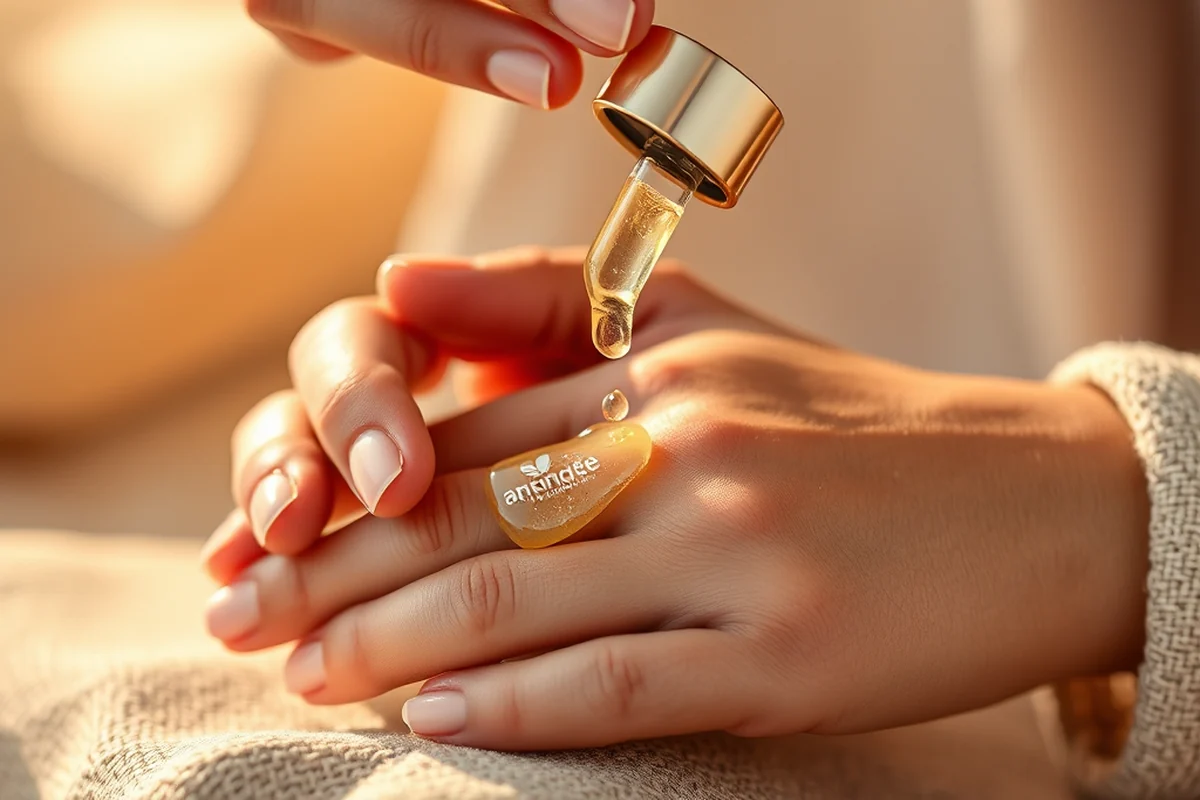
I used to think that the more abrasive the scrub, the better it was. That was a mistake. My skin started feeling rough and irritated after a few uses. It was a wake-up call that gentle exfoliation is just as effective — if not more — than aggressive methods.
Gentle exfoliation can be achieved by using natural ingredients like sugar, salt, or coffee grounds. These ingredients are abrasive enough to remove dead skin cells but not so harsh that they strip your skin of its natural oils. I now use finely ground sugar in my scrubs, which has made a noticeable difference in my skin’s texture.
The key is to find the right balance. Too little exfoliation, and your skin may feel dull. Too much, and it may become red or irritated. Finding that sweet spot takes time and experimentation.
Gentle is better. Always.
Related: Bath body works official website
The Power of Natural Oils
I was skeptical about using oils in body scrubs, but after trying a few, I realized how much they enhance the experience. Oils like coconut, almond, and jojoba are rich in vitamins and antioxidants that benefit the skin in ways I didn’t expect.
When I first used coconut oil in a scrub, I was surprised at how smoothly it glided over my skin. It felt like a second layer of protection, sealing in moisture and leaving my skin feeling supple. These oils are also lightweight, so they don’t leave a greasy residue.
I now use a combination of oils in my scrubs, depending on my skin’s needs. Coconut oil is great for hydration, while almond oil provides a nice boost of nourishment. The right oil can make all the difference in your scrub’s effectiveness.
Different oils have different benefits. Use coconut oil for hydration, almond oil for nourishment, and jojoba oil for a balanced feel. Experiment to find what works best for your skin.
“I remember the first time I used a DIY body scrub after a long day of work.”— DIY Bath Bomb Recipes editors
Related: How to detox foot bath
The Role of Fragrance and Aroma
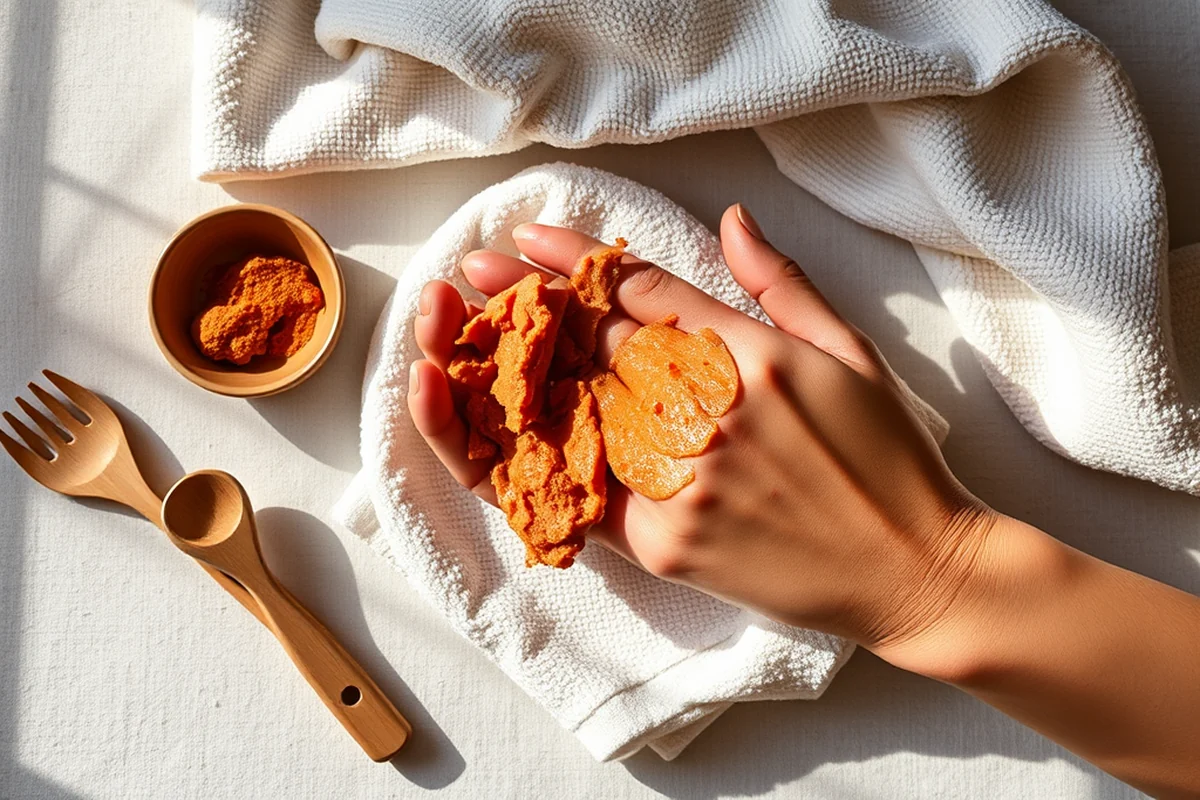
I used to buy scrubs with strong, artificial fragrances, but I found that they often left my skin feeling tight and uncomfortable. When I started using natural essential oils, I noticed a big difference. My skin felt more relaxed and my mood improved with each use.
Essential oils like lavender, eucalyptus, and peppermint offer a range of benefits. Lavender is calming, eucalyptus is invigorating, and peppermint is refreshing. These natural fragrances not only smell amazing but also have therapeutic properties that can benefit your skin and mind.
I now add a few drops of my favorite essential oils to my scrubs. It’s a small addition that makes a big difference in the overall experience. The right scent can turn a simple routine into a moment of self-care.
Related: Hot tub and cold plunge combo
The Importance of Texture
I used to focus too much on the ingredients and not enough on the texture of my scrubs. That was a mistake. I discovered that the texture of a scrub can make a big difference in how it feels on your skin and how effective it is.
The texture of a scrub should be smooth enough to glide over the skin without causing irritation. I now use finely ground sugar, which is abrasive enough to exfoliate but gentle enough for sensitive skin. It leaves my skin feeling smooth and even.
Finding the right texture takes some trial and error. I now experiment with different ingredients and combinations to see what works best for my skin. This process has taught me the importance of paying attention to how a scrub feels when applied.
Related: What s the best whole house water softener
The Healing Power of Coffee Grounds
I was skeptical about using coffee grounds in a body scrub, but after trying it, I was amazed by the results. Coffee grounds are rich in antioxidants and can help improve circulation, making your skin look brighter and feel more energized.
I now use finely ground coffee in my scrubs, and I’ve noticed a significant improvement in the texture of my skin. It feels smoother and more even, and my skin has a healthy glow. Coffee grounds also help to remove dead skin cells and exfoliate the skin gently.
I love using coffee grounds because they are affordable and easy to find. They also have a pleasant aroma that adds a nice touch to my scrub. The combination of coffee and natural oils has become a favorite in my skincare routine.
Coffee grounds: the secret to glowing skin.
Related: Best bath towels 2026
The Benefits of a DIY Body Scrub Routine
I’ve found that using a DIY body scrub has not only improved the texture of my skin but also made me feel more in control of my skincare routine. It’s a small but meaningful way to take care of myself and make choices that align with my values.
DIY body scrubs are also a great way to avoid harsh chemicals and synthetic ingredients that can be harmful to your skin. They allow you to use natural, safe ingredients that nourish and protect your skin.
The process of making your own body scrub is also incredibly satisfying. It’s a creative and therapeutic experience that can help you relax and unwind. It’s a small act of self-care that can have a big impact on your overall well-being.
🌸 Sensitive Skin Scrub
Gentle, non-irritating ingredients like oatmeal and almond oil are perfect for those with sensitive skin.
💰 Budget-Friendly Scrub
Use everyday ingredients like sugar and coconut oil to create an affordable and effective body scrub.
🧘 Minimalist Scrub
A simple, no-frills scrub using only a few ingredients for those who prefer minimalism.
📍 Targeted Scrub
Tailored to specific skin concerns like dryness or acne, using the right ingredients for your needs.
🔄 Maintenance Scrub
A weekly scrub that helps keep your skin smooth and healthy with regular use.
| The mistake | Why it happens | The fix |
|---|---|---|
| Over-exfoliating the skin | Over-exfoliating the skin can strip away its natural oils, leading to dryness, irritation, and even breakouts. | Limit your scrub sessions to once or twice a week, and avoid using multiple exfoliating products at the same time. |
| Not patch testing the scrub | Not patch testing the scrub can lead to unexpected allergic reactions or skin irritation. | Always patch test a new scrub on a small area of your skin before using it on larger areas. Wait 24 hours to see if any reactions occur. |
How To Diy Body Scrub
Common Questions
What are the best natural ingredients for a body scrub?
How often should I use a body scrub?
Can I use essential oils in my body scrub?
Is it safe to make a body scrub at home?
References
- Skin and Body Care - Module 7 - DSHS (dshs.wa.gov)
- Import Alert 53-06 - accessdata.fda.gov (accessdata.fda.gov)
- Indigenous Engagement with the Alexander Archipelago Wolf (fws.gov)
- Family Members' Views: What is Quality in Assisted Living Facilities ... (aspe.hhs.gov)
Cite this guide
DIY Bath Bomb Recipes (2026). How To Diy Body Scrub. https://soakcraft.com/how-to-diy-body-scrub/
Feel free to cite or share this guide.