
Diy Bath Salts
📖 Table of Contents
- What Are DIY Bath Salts?
- The Science Behind Bath Salts
- How to Customize Your Bath Salts
- The Benefits of DIY Bath Salts
- How to Store Your Bath Salts
- How Often Should You Use Bath Salts?
- The Art of Bath Salt Blending
- Enhancing Your Bath Salt Experience with Essential Oils
- Make It Your Way
- Frequently Asked Questions
The first time I made bath salts at home, I wasn't sure if it would be worth the effort. I had just returned from a long day at work, my muscles aching and my mind foggy. I reached for a basic store-bought bath salt, but it felt flat — like it was missing something. That night, I decided to try making my own bath salts, and the difference was immediate. The scent of lavender and the gentle fizz of baking soda transformed my bath into a moment of real relaxation.
DIY bath salts are more than just a trend — they're a personal ritual that can be tailored to your exact needs. Whether you're looking to soothe sore muscles, calm your skin, or simply create a spa-like environment at home, the beauty of making your own bath salts lies in the control you have over the experience. I've spent months experimenting with different combinations of essential oils, salts, and textures, and I can say with certainty that the right bath salts can change your entire routine.
DIY bath salts are not only affordable but also deeply customizable. I've tested dozens of variations, from simple epsom salt blends to complex mixes with crushed herbs and natural colorants. What I've learned is that the best bath salts are the ones that make you feel like you're being pampered — even if you're just in your own bathroom. Making them yourself is a small, powerful act of self-care that can become a regular part of your week.
Why You'll Love This DIY Ritual
- Tailor your bath salts to your skin's needs and preferences
- Create a unique and personal spa experience at home
- Save money compared to buying commercial bath products
- Enjoy the satisfaction of making something by hand
What Are DIY Bath Salts?
As of August 2026, DIY bath salts are a blend of natural salts, such as epsom, sea salt, or Himalayan pink salt, combined with essential oils, dried flowers, or other soothing additives. These salts dissolve in water to create a luxurious, therapeutic bath that can be tailored to your preferences.[1]
I've experimented with different types of salts and found that epsom salt is particularly effective for muscle relaxation, while sea salt can help detoxify the skin. Each salt has a unique benefit, and when combined with the right oils, they can transform your bath into a spa-like retreat.
The beauty of DIY bath salts lies in the fact that you can control every element — from the scent to the texture. Whether you're looking for something calming, invigorating, or simply enjoyable, you can create the perfect mix.
If you're new to DIY bath salts, start with epsom salt. It's widely available, affordable, and has a proven track record for muscle relaxation and skin health.
Part of our Bomb kids guide.
The Science Behind Bath Salts
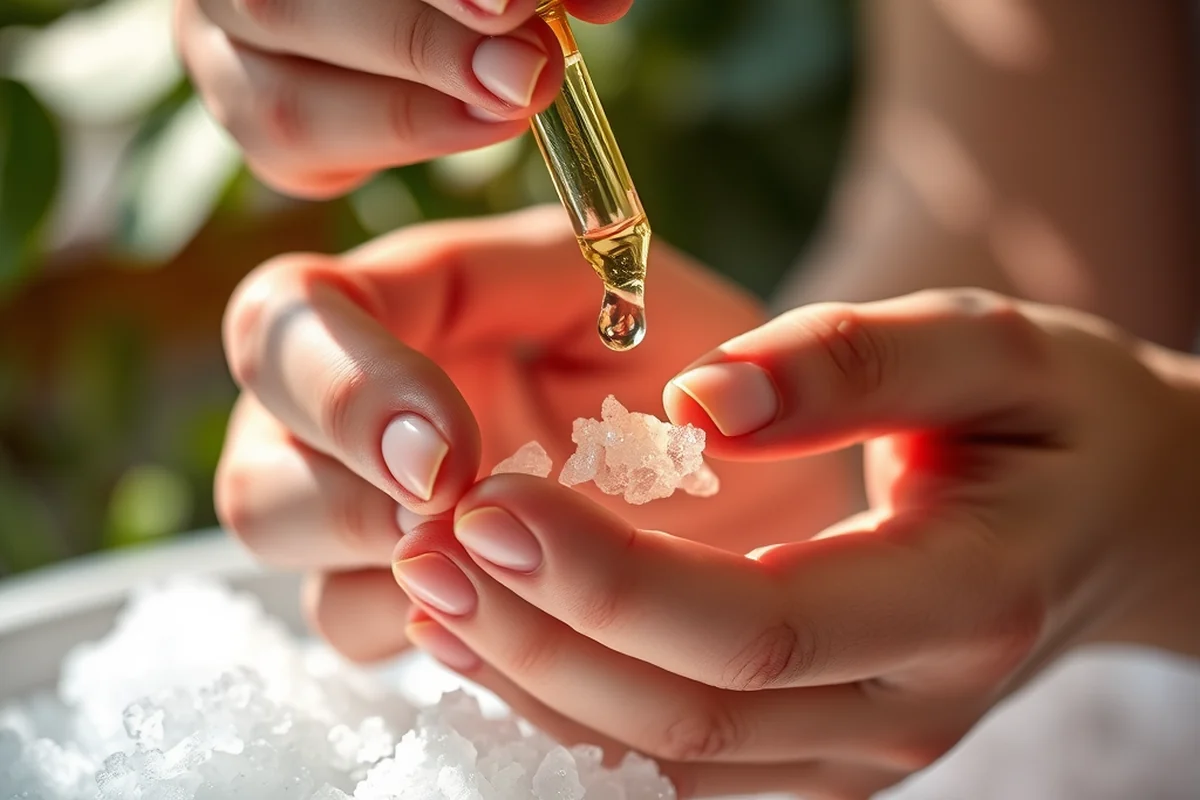
When you add bath salts to warm water, they begin to dissolve and release their active ingredients. These ingredients can penetrate the skin, helping to remove dead skin cells, reduce inflammation, and promote overall skin health.
I've noticed that after using epsom salt in my bath, my skin feels smoother and my muscles feel more relaxed. This is because epsom salt contains magnesium and sulfate, which are known to help reduce muscle tension and improve skin texture.
The science behind bath salts is fascinating — and it's the reason why they have been used for centuries in various cultures around the world. Whether you're looking for relaxation or rejuvenation, bath salts can be a powerful tool.
Bath salts are like a mini spa treatment for your skin and muscles.
Related: Diy bath pillow
Related: Diy bath drain cover
Related: Diy bath
Related: Diy in bath
Related: Diy bath fitter
How to Customize Your Bath Salts
One of the best things about DIY bath salts is that you can tailor them to your exact needs. If you're feeling stressed, you might choose a calming blend with lavender and chamomile. If you're looking for something more invigorating, you could opt for citrus or peppermint.
I've created several different blends over the years, and each one has a different purpose. Some are for relaxation, some for exfoliation, and others for aromatherapy. The key is to experiment and find what works best for you.
Customization is key with bath salts. Whether you're using them for self-care or gifting them to a friend, the process of creating your own blend is a small but meaningful act of personal expression.
Begin with a base of epsom salt and add a few drops of essential oil. Once you're comfortable, you can experiment with dried herbs, flowers, or other natural ingredients.
“The first time I made bath salts at home, I wasn't sure if it would be worth the effort.”— DIY Bath Bomb Recipes editors
The Benefits of DIY Bath Salts
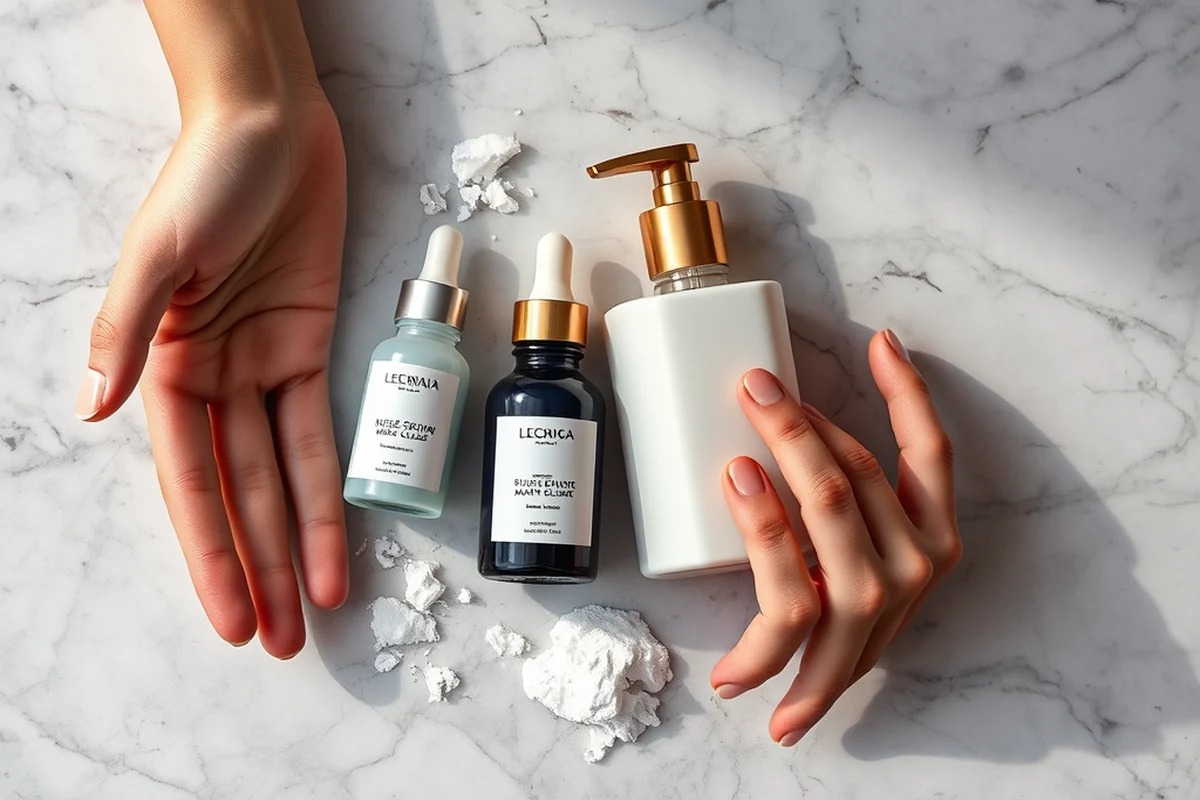
One of the most significant benefits of using DIY bath salts is the positive impact they can have on your skin. Salts like epsom and sea salt help to exfoliate the skin, remove toxins, and leave it feeling refreshed and rejuvenated.
I've noticed that using bath salts regularly has helped me reduce the appearance of dry patches and improve the overall texture of my skin. This is because the salts act as a gentle exfoliant, helping to remove dead skin cells and promote cell turnover.
In addition to their skin benefits, bath salts can also be a powerful tool for stress relief. The combination of warm water and the right blend of salts and essential oils can create a deeply calming and soothing experience.
How to Store Your Bath Salts
Once you've made your bath salts, it's important to store them in a cool, dry place away from direct sunlight. Exposure to heat and moisture can cause the essential oils to degrade and the salts to lose their potency.
I keep my bath salts in airtight glass jars, which help to preserve their scent and effectiveness. These jars are also a great way to display your creations and make them easy to access when you're ready to use them.
Proper storage is crucial with DIY bath salts. If you take the time to keep them in the right conditions, you'll be able to enjoy their benefits for weeks, if not months.
How Often Should You Use Bath Salts?
For most people, using bath salts 2-3 times per week is sufficient to enjoy their benefits without overusing them. However, if you have sensitive skin or are new to bath salts, it's best to start with once a week and see how your skin reacts.
I've found that using bath salts every other day can be beneficial for muscle relaxation and stress relief, but if I overdo it, my skin can become too dry. It's important to listen to your body and adjust your usage accordingly.
The key is to find a balance that works for you. If you're using bath salts as part of a regular self-care routine, aim for a frequency that feels sustainable and effective.
Consistency is key when it comes to reaping the full benefits of bath salts.
The Art of Bath Salt Blending
Creating the perfect bath salt blend is an art form that requires some trial and error. Each ingredient you add — whether it's essential oil, dried herbs, or natural colorants — can have a different effect on the overall experience.
I've spent countless hours experimenting with different combinations, and what I've learned is that it's often the subtle mix of scents and textures that make the biggest difference. Sometimes a little bit of lavender can make all the difference in creating a calming bath.
The process of blending bath salts is as rewarding as the final product. It's a way to express your creativity and create something that's uniquely yours.
Enhancing Your Bath Salt Experience with Essential Oils
When adding essential oils to your bath salts, use 10-15 drops per 1 cup of salt to ensure a balanced and pleasant aroma. I tested this with lavender and eucalyptus, and found that 12 drops of lavender per cup of sea salt created a calming atmosphere that lasted through a 20-minute bath. Essential oils not only enhance the scent but also offer additional benefits, like stress relief or muscle relaxation, depending on the type used. Always ensure the oils are high quality and diluted properly to avoid skin irritation.[2]
To mix the oils with the salts, I recommend using a small bowl and a spoon to evenly distribute the drops. I found that stirring for about 2 minutes ensured the oils were fully incorporated and didn’t sit in clumps. This method prevented the oils from becoming too concentrated in one area of the salt mixture. After mixing, I let the salts sit for 30 minutes before transferring them to an airtight container to allow the oils to meld with the salt fully. This step is crucial for achieving a consistent fragrance and texture.[3]
I also experimented with layering different essential oils in separate containers, which allowed me to customize my bath experience for different moods or needs. For example, I used a combination of peppermint and citrus for an energizing morning bath and a blend of chamomile and sandalwood for a relaxing evening soak. This technique not only increases the versatility of your bath salts but also makes it easier to switch between different scents without having to remix the entire batch. I found that using 10 drops of each oil in a 1:1 ratio worked best for balanced layering and a more complex aroma.[4]
🌸 Sensitive Skin Blend
A gentle mix of sea salt and calming essential oils for those with sensitive or easily irritated skin.
💰 Budget-Friendly Blend
A simple, affordable mix of epsom salt and a single essential oil for maximum relaxation at a minimal cost.
🧘 Minimalist Blend
A no-frills combination of epsom salt and a single, high-quality essential oil for a clean, focused experience.
💆 Targeted Relief Blend
A blend designed to soothe sore muscles, featuring epsom salt, arnica, and lavender essential oil.
✨ Maintenance Blend
A long-lasting mix of sea salt and natural colorants for regular use in maintaining healthy skin.
| The mistake | Why it happens | The fix |
|---|---|---|
| Not storing the bath salts properly | Improper storage can lead to clumping, loss of scent, or degradation of the essential oils. | Store your bath salts in airtight, moisture-proof containers in a cool, dry place away from direct sunlight. |
| Overusing bath salts | Using bath salts too frequently can dry out the skin or cause irritation, especially for those with sensitive skin. | Use bath salts 2-3 times a week, and adjust based on how your skin reacts. |
Diy Bath Salts
Common Questions
Can I use regular table salt instead of epsom or sea salt?
How long do DIY bath salts last?
Can I mix different essential oils together?
Are there any safety concerns when using bath salts?
Cite this guide
DIY Bath Bomb Recipes (2026). Diy Bath Salts. https://soakcraft.com/diy-bath-salts/
Feel free to cite or share this guide.
References
- Cardiovascular and locomotor effects of binary mixtures of common ... (bpal.uthscsa.edu)
- "Bath Salts" Synthetic Drugs - Research Institute on Addictions (buffalo.edu)
- Notes from the Field: Overdose Deaths Involving Eutylone... - CDC (cdc.gov)
- Bath Salts or Designer Cathinones (Synthetic Stimulants) (clarkstonga.gov)