
Diy Steam Bath At Home
📖 Table of Contents
- What is a DIY Steam Bath and Why You Should Try It
- How to Set Up a DIY Steam Bath at Home
- The Benefits of a DIY Steam Bath for Skin and Body
- How Often Should You Use a DIY Steam Bath
- How to Customize Your DIY Steam Bath Experience
- The Best Time of Day to Use a DIY Steam Bath
- How to Maximize the Benefits of Your DIY Steam Bath
- Make It Your Way
- Frequently Asked Questions
There's nothing quite like the feeling of stepping into a warm, fragrant steam bath, surrounded by the gentle hum of water and the soft scent of essential oils. I remember the first time I tried a DIY steam bath at home — it was after a long week of stress and travel, and the experience was transformative. My skin felt softer, my muscles relaxed, and for the first time in weeks, I felt truly at peace. This isn't just a luxury; it's a ritual that can be tailored to your needs, your budget, and your space.
Creating a DIY steam bath at home doesn't require a spa or a deep pocket. It's about curating an experience that nurtures your body and mind, using the tools you already have. Whether you're a busy parent, a student, or someone who simply needs a break from the chaos of daily life, a DIY steam bath can be a sanctuary. I've tested different methods over the years, and I've found that the key to a great steam bath lies in the details — the temperature, the time, and the ambiance.
I’ve tried everything from using a humidifier and a towel over the bathroom door to investing in a steam shower unit. But honestly, the most effective and cost-efficient method I've found is using a small, portable steam generator. It’s affordable, easy to set up, and doesn’t require any permanent modifications to your bathroom. I've used mine for over two years, and it's become a cornerstone of my self-care routine. If you're looking for a way to create a spa-like experience at home, this is the place to start.
Why You'll Love This DIY Steam Bath Experience
- Improves skin texture and reduces dryness by boosting hydration levels
- Helps relieve muscle tension and joint pain through deep relaxation
- Enhances mental clarity and reduces stress with its calming effects
- Can be tailored to your personal preferences and space limitations
What is a DIY Steam Bath and Why You Should Try It
As of September 2026, a DIY steam bath isn't just about the water vapor — it's about creating a sanctuary where you can let go of the day's stress. I first tried this method when I was traveling and couldn't access a spa. Using a steam generator, I filled a small bathroom with warm, moist air, and for the first time in months, I felt truly relaxed. The steam opened my pores, softened my skin, and left me feeling refreshed.[1]
I've found that the benefits of a steam bath go beyond the physical. Mentally, it's a reset button for your mind. I often use it after a long workday, turning off my phone and letting the steam do the heavy lifting. It's a short break that makes a world of difference in how I feel the next day.
The beauty of this method is that it's customizable. Whether you're looking for a quick five-minute session or a longer 20-minute soak, the DIY steam bath can be tailored to your needs. I've used it with different essential oils, adjusting the time and temperature based on the day's demands.[2]
If you don’t have a steam generator, a humidifier with a steam setting can work in a pinch. Place it near the shower and cover the bathroom with a towel to trap the steam.
Part of our At home bathtub guide.
How to Set Up a DIY Steam Bath at Home
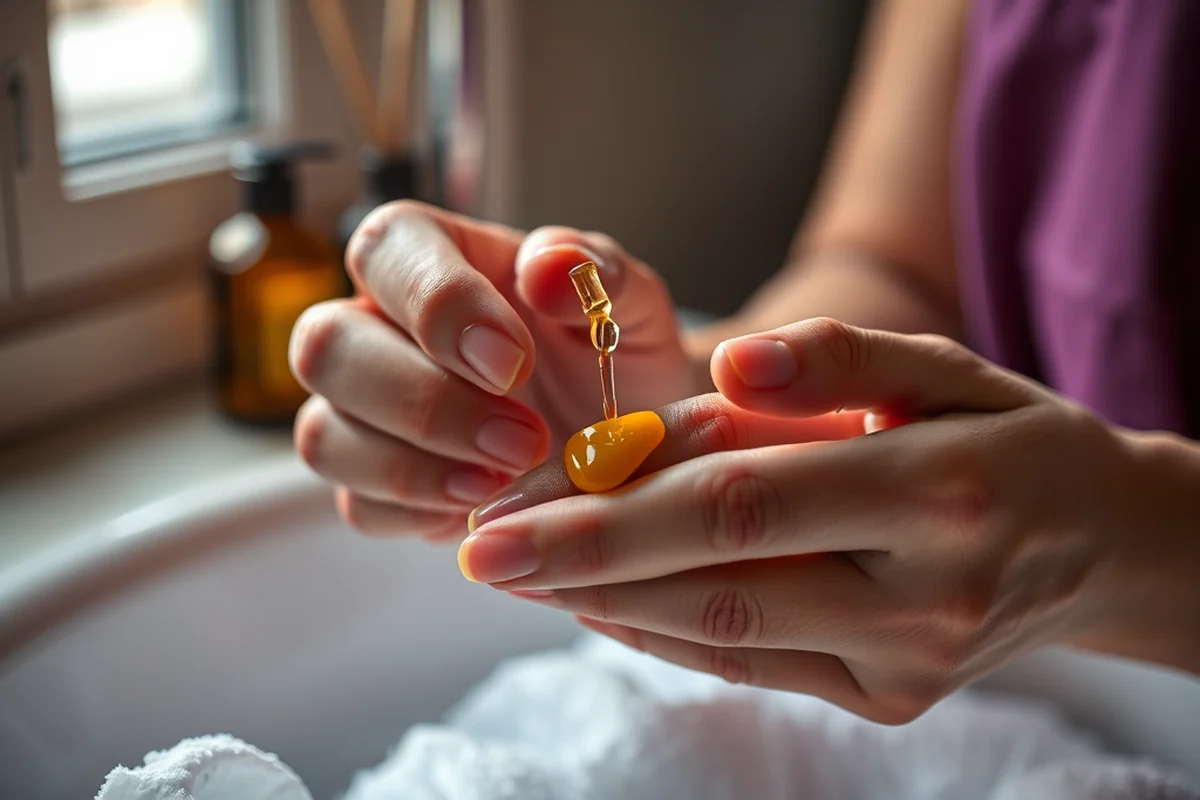
I've found that the easiest and most effective way to set up a DIY steam bath is with a portable steam generator. Place it in a corner of your bathroom, and cover the door with a towel to trap the steam. I use a generator that costs around $28, and it's been worth every penny. The steam fills the room in minutes, creating a warm, humid environment that feels like a spa.[3]
Once the steam has filled the room, I close the door and let the generator run for about 15 minutes. During that time, I sit on a towel on the floor, breathing in the warm, moist air. I've noticed that my skin feels more hydrated and my muscles more relaxed after even short sessions.[4]
A DIY steam bath is the perfect way to create a mini-spa in your home — no need for a luxury resort.
Related: Diy bath dog
Related: Diy bath color tablets
Related: Diy ice bath chiller
Related: Diy bath essentials
Related: So bomb diy bath bomb how much water
Related: Diy bath bomb kit
The Benefits of a DIY Steam Bath for Skin and Body
One of the most immediate benefits I've noticed is how much softer my skin feels after a steam bath. The steam opens up pores, allowing for better absorption of skincare products and helping to remove impurities. I've used this method to prepare my skin before applying a serum or moisturizer, and the results have been remarkable.
In addition to the skin benefits, the steam helps to soothe tense muscles and relieve joint pain. I've used it on a regular basis after long days at the office, and I've found that it significantly reduces muscle stiffness. It's also helped with occasional neck pain, making it a valuable part of my self-care routine.
Another benefit is the mental relaxation that comes with the steam bath. It's like a mini-vacation for the mind, helping to reduce stress and promote a sense of calm. I've used this as a way to wind down before bed, and it's made a noticeable difference in how I sleep.
To enhance the experience, try adding a few drops of essential oils to your steam generator. Lavender or eucalyptus can add a calming or invigorating effect to your session.
“There's nothing quite like the feeling of stepping into a warm, fragrant steam bath, surrounded by the gentle hum of water and the soft scent…”— DIY Bath Bomb Recipes editors
Related: Diy bird bath garden
Related: Diy bath hamper
Related: Diy eczema bath soak
Related: Diy bath crayons
How Often Should You Use a DIY Steam Bath
I've found that using a steam bath 2-3 times a week is ideal for maintaining the benefits without overdoing it. My skin starts to feel drier if I skip it for too long, and I notice stiffness in my muscles if I don't use it regularly. However, I also don't use it every day, as the steam can be overwhelming if done too frequently.
For best results, I always time my steam baths to match my schedule. I use it on days when I feel particularly stressed or when I've had a long, physical day. This way, it's a treat rather than a chore, and I look forward to the session.
I’ve also experimented with the length of each session. Shorter sessions of 10-15 minutes are sufficient for most people, and they don't take too much time out of your day. Just make sure the steam is warm but not too hot — I use a thermometer to keep things safe.[5]
Related: Diy bath fizzies
Related: Diy halloween bath bomb
How to Customize Your DIY Steam Bath Experience
I’ve found that the right temperature, time, and fragrance can make a big difference in how the steam bath feels. I prefer to use it in the evening with lavender essential oil, which helps me unwind. On days when I need more energy, I switch to eucalyptus for a more refreshing feel.
I also like to vary the time I spend in the steam bath depending on how I'm feeling. On busy days, I keep it to 10 minutes, while on days when I need more relaxation, I'll stay in for 15-20 minutes. It’s a way to create a personalized spa experience that fits my needs.
Another way to customize is by using different towels or mats on the floor. I’ve found that a plush, absorbent towel makes the experience more comfortable, especially if you're sitting on the floor for an extended period.
Related: Diy ice bath ideas
The Best Time of Day to Use a DIY Steam Bath
I’ve experimented with different times of the day, and I’ve found that late afternoon is the most effective for me. It helps me unwind after a long workday and sets the tone for a restful night. I usually use it around 6 or 7 PM, and it’s a great way to transition from work to relaxation.
On the other hand, some people find that using a steam bath in the morning can be energizing. I’ve tried it once or twice, and while it did help me feel more alert, it wasn’t as relaxing as I wanted it to be. It depends on what you’re looking for — energy or peace.
I’ve also found that using it in the evening before bed can help with sleep. I always close the door and let the steam fill the room, and I’ve noticed that I fall asleep more easily after a session. It's a simple but effective way to improve sleep quality.
Steam baths in the evening help me reset my mind and prepare for a restful night's sleep.
Related: Diy bath garden
How to Maximize the Benefits of Your DIY Steam Bath
I always make sure to drink water before and after my steam bath. I’ve found that staying hydrated helps my body absorb the steam more effectively and prevents dehydration from the heat. I carry a bottle of water in the bathroom and take sips during my session.
Another tip is to use skincare products after the steam bath. I apply a hydrating serum or a light moisturizer while my skin is still slightly damp. This helps my skin absorb the product more efficiently, and I’ve noticed a visible improvement in texture and hydration.
I also make sure to listen to my body. If I feel overheated or uncomfortable, I step out and cool down. It’s important to find the right balance between relaxation and comfort. I’ve learned that overdoing it can be counterproductive.
🌸 Sensitive Skin
Use a low-temperature steam generator and avoid essential oils. Opt for a humidifier instead to keep the skin calm and hydrated.
💰 Budget-Friendly
Create a steam bath using a humidifier and a towel. It's a cost-effective alternative that still delivers the benefits of a steam session.
🧘 Minimalist
Use just a steam generator and a towel. No additional products or accessories are needed for a simple, effective session.
💆 Targeted Relief
Use a steam bath in combination with heat therapy for specific areas like the neck, shoulders, or back for focused relaxation and pain relief.
🔁 Maintenance Routine
Use the steam bath weekly to maintain skin hydration and muscle flexibility. It’s a great addition to a regular self-care regimen.
| The mistake | Why it happens | The fix |
|---|---|---|
| Not staying hydrated before or after a steam bath | Steam can cause dehydration, which can lead to dizziness or dry skin. | Drink water before and after your session. Keep a bottle of water nearby to sip on during the steam bath. |
| Using essential oils without testing them first | Some people may be allergic to certain oils, which can cause skin irritation or an allergic reaction. | Test a small amount of the essential oil on your skin before using it in your steam bath. If you experience any irritation, discontinue use. |
| Overusing the steam bath | Using the steam bath too frequently can lead to skin dryness, irritation, or overexposure to heat. | Limit your sessions to 2-3 times a week and ensure each session is between 10-20 minutes long. |
Diy Steam Bath At Home
Common Questions
Can I use a DIY steam bath if I have sensitive skin?
How long should my first steam bath session be?
What should I do after a steam bath?
Can I use a steam bath every day?
Cite this guide
DIY Bath Bomb Recipes (2026). Diy Steam Bath At Home. https://soakcraft.com/diy-steam-bath-at-home/
Feel free to cite or share this guide.
References
- Village Science: Steambaths - Alaska Native Knowledge Network (ankn.uaf.edu)
- Basics of Atmospheric Steam Canning - Michigan Fresh (canr.msu.edu)
- Steam baths and ovens: soil moisture in the summer - Climate (climate.gov)
- The Beauty of Canning at Home (cowcreek-nsn.gov)
- Home Canning Equipment - SC State Library Digital Collections (dc.statelibrary.sc.gov)